Billy wallson
Senior DirectorA tiny daily clean-up ritual can do more for your mental space than a marathon organizing session.
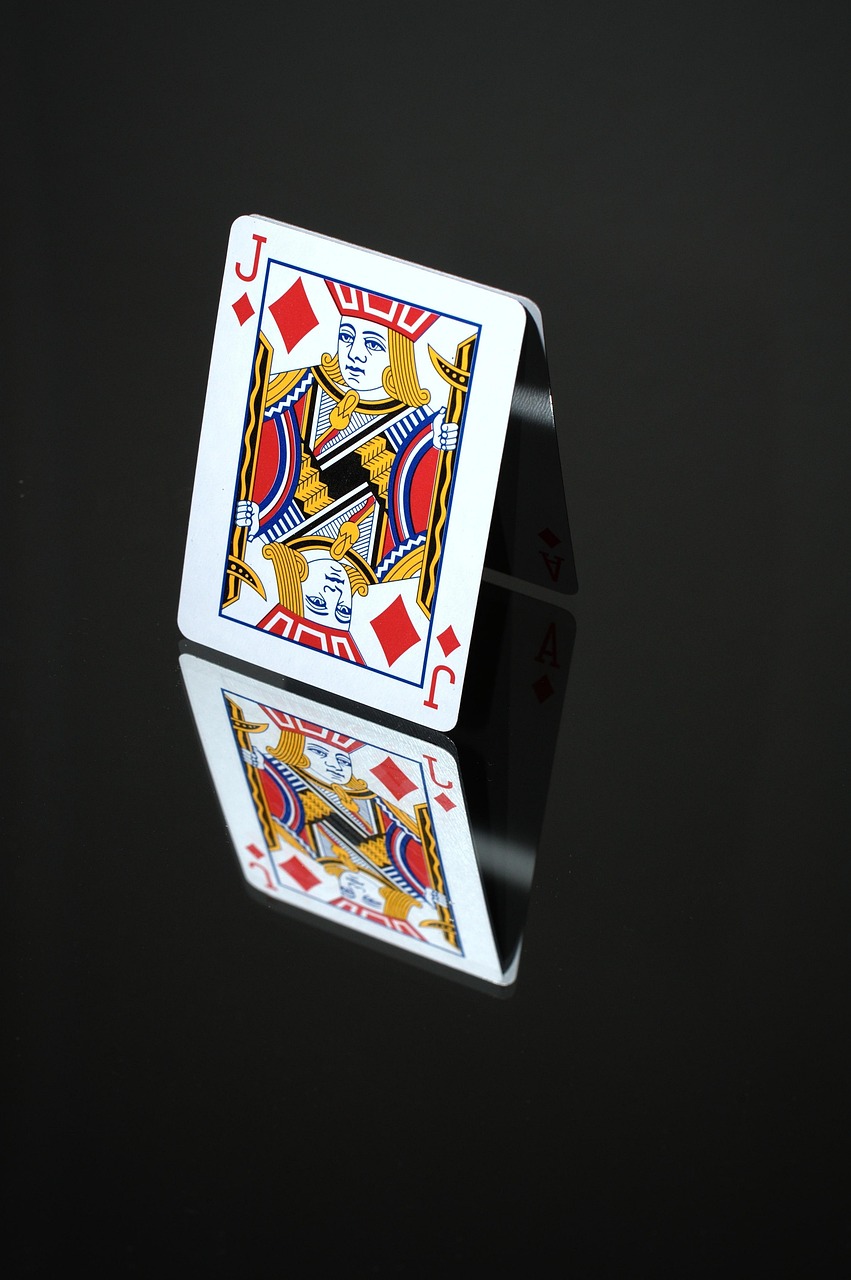
You've seen the screenshots. Some guy turns $50 into $10,000 on a slots stream, and suddenly everyone thinks they're one spin away from financial freedom. Here's the uncomfortable truth: the house always has an edge. Slots, roulette, blackjack—they're all designed to grind you down over time. But that doesn't mean you can't walk away a winner. The difference between the 5% who consistently profit and the 95% who donate their paycheck? Bankroll management. It's the least sexy part of iGaming, and it's the only thing that actually separates a hobby from a slow-motion disaster.
Every casino game has a house edge. Slots hover between 2% and 10% depending on the machine and jurisdiction. European roulette is 2.7%. Blackjack with perfect basic strategy can drop to 0.5%. Poker is different—you're playing against other people, not the house, so the rake is your only fixed cost, usually 5% to 10% of each pot.
What does that mean in practice? If you play $100 through a 5% edge slot, you're statistically expected to lose $5. Play $1,000, and you're expected to lose $50. The variance is wild in the short run, which is why people believe in hot streaks and cold spells. But over 10,000 spins, the math becomes a hammer. The only way to win long-term is to exploit bonuses, play with an edge (like poker or advantage play), or—and this is the big one—treat your bankroll as a tool, not a lottery ticket.
Here's a simple rule that will save you from yourself: never bet more than 1% of your total gaming bankroll on a single bet or spin. If you have $500 set aside for gambling, your max bet is $5. That feels boring. It is boring. Boring is what keeps you in the game.
Why 1%? Because even a brutal losing streak won't wipe you out. Lose 20 bets in a row at 1% each, and you're down 20%—still alive, still able to adjust. Lose 20 bets at 10% each, and you're broke. The pros in poker often use 2% to 5% for cash games, but they have a measurable edge. Slots players and casual bettors don't. Stick to 1%, and you'll survive the swings that kill everyone else. More background can be found at สล็อตเว็บตรง.
The single biggest mistake I see is people mixing their iGaming funds with their rent money. That's not a bankroll; that's a countdown to a disaster. Do this instead:
This isn't about discipline for its own sake. It's about removing emotion from the equation. When you know exactly what you can lose, you stop chasing losses and start making rational decisions.
Not all iGaming is created equal. If you want the best shot at profit, avoid the games with the worst edges and focus on these:
Slots are fun, but they're the worst bet in the house. If you love them, set a strict loss limit and treat them as entertainment, not an investment.
Casino bonuses look like free money. They're not. A 100% match up to $500 with a 40x wagering requirement means you have to bet $20,000 before you can withdraw a dime. On a 5% edge slot, that's an expected loss of $1,000—twice your bonus. You'll lose money almost every time.
But there's a right way to play bonuses:
The best bonus hunters treat it like a math problem. They calculate expected value before claiming anything. If the EV is positive, they play. If not, they walk. That's the difference between a bonus and a trap.
You can have perfect bankroll management and still lose everything if you can't control your emotions. Tilt is the enemy. It's that moment after a bad beat when you double your bet to 'get it back.' That's how $200 becomes $0 in twenty minutes.
Here's how to avoid it:
The longer you play, the more the house edge grinds you down. Short sessions with clear goals are your friend. If you're on a heater, great—but cash out and enjoy it. The worst thing you can do is give it all back because you got greedy.
iGaming isn't a get-rich-quick scheme. It's a form of entertainment with a cost, just like going to a concert or a nice dinner. The people who profit consistently treat it like a business: they track results, manage risk, and exploit edges when they appear. The rest are just paying for the lights in the casino.
So before you spin again, ask yourself: do you have a bankroll plan? If not, you're gambling on luck. And luck, as they say, is a fickle mistress. The math, on the other hand, never lies. Master it, and you'll last long enough to actually enjoy the ride.
The sink is an underrated meditation hall, and the sponge is your teacher.

Instead of listing things you're grateful for, try holding one small object that reminds you without words.
What if the point of a hobby was never to become impressive?

You do not need a ten-mile hike or a meditation app to make a walk feel meaningful.
A tiny daily clean-up ritual can do more for your mental space than a marathon organizing session.

The sink is an underrated meditation hall, and the sponge is your teacher.
Copyright © 2026 Skipping Stone Blog. All Rights Reserved.




Roseanne Williams
Sep 23, 2026 ReplyWhen the day starts spinning too fast, three slow breaths can hand you back the reins.