Billy wallson
Senior DirectorA tiny daily clean-up ritual can do more for your mental space than a marathon organizing session.
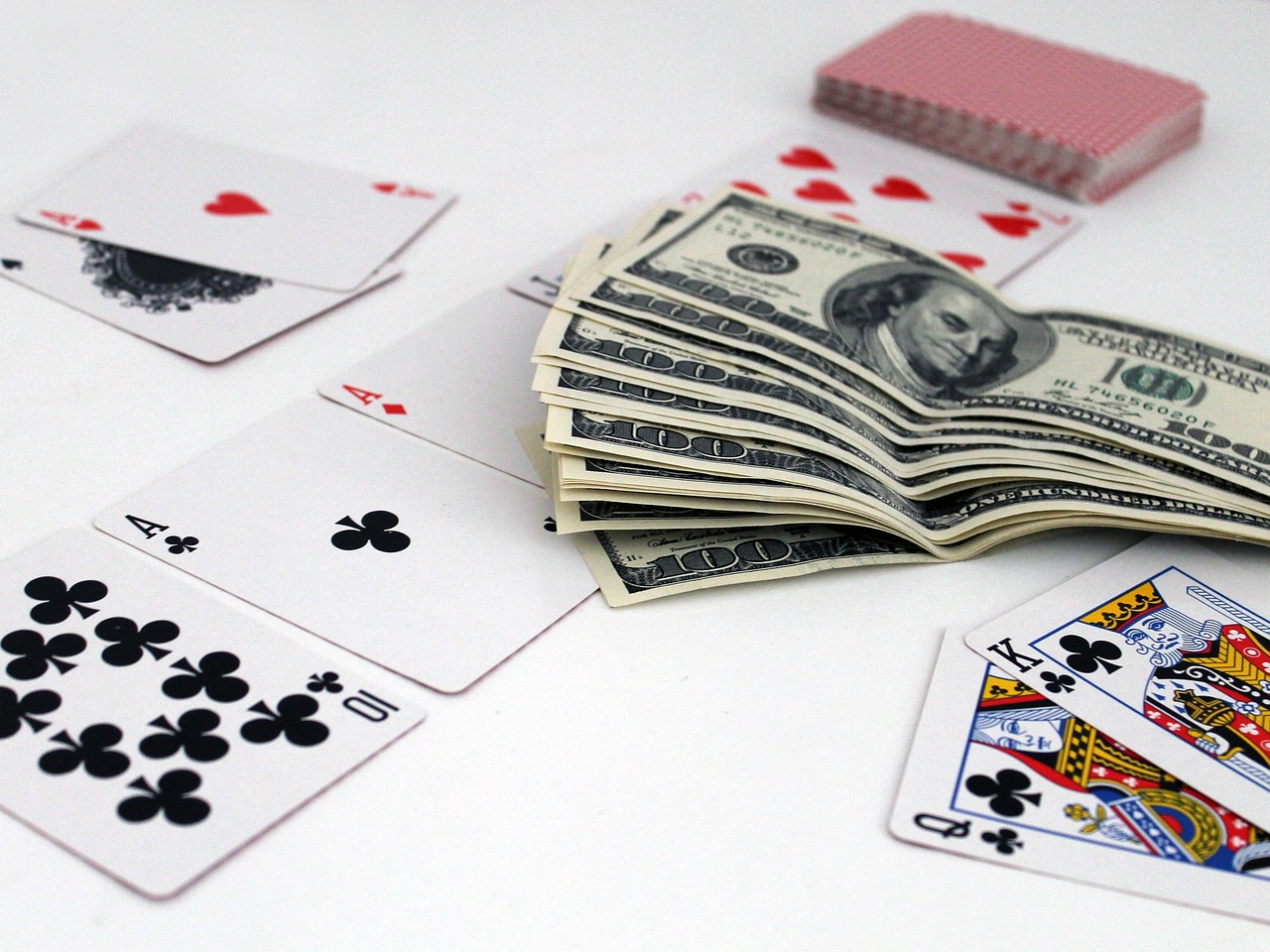
There's a moment every gambler knows. The reels stop, the dealer flips the river, the final whistle blows, and you realize the outcome was decided long before you clicked anything. That realization is either crushing or liberating, depending on how well you understand the games you're playing. The players who last in iGaming are not the ones with the best luck. They're the ones who treat every spin, hand, and bet as a calculated decision with a known cost and an uncertain reward. This article breaks down the math, the mechanics, and the mindset that separate recreational players from the ones who keep their bankroll alive for years.
Every game in a casino carries a built-in mathematical advantage for the operator. That's not a scam; it's the business model. The size of that advantage, called the house edge, is the single most important factor in whether your money lasts an hour or a weekend.
Consider the extremes. On a standard American roulette wheel with two zeros, the house edge sits at 5.26%. That means for every $100 you wager over time, you're statistically expected to lose $5.26. Compare that to blackjack played with basic strategy, where the edge can drop to around 0.5%. Same casino, same floor, but one game bleeds your bankroll ten times faster than the other.
Here's the trap. Slots feel like the most casual option, yet their edges frequently dwarf table games. A 6% house edge on a slot machine is twelve times worse than a well-played blackjack hand. If you love slots, fine. Just acknowledge what you're paying for the entertainment.
New slot players obsess over RTP percentages, which is reasonable but incomplete. RTP, or return to player, tells you the long-run payback. A 96% RTP slot returns $96 for every $100 wagered across millions of spins. It says nothing about what happens in your next fifty spins.
That's variance, and it's where most players get surprised. High-volatility slots pay rarely but heavily. Low-volatility slots pay often but modestly. A low-volatility game might keep you playing for hours on a small deposit, while a high-volatility jackpot chaser could drain your balance in twenty minutes before ever hitting a feature. Neither is inherently better; they suit different bankrolls and temperaments.
Practical tip: match volatility to your session budget. If you deposit $50 and want a long session, low or medium volatility is your friend. If you deposit $200 and you're chasing a big multiplier, high volatility makes sense. What never makes sense is playing a high-volatility slot with a bankroll that can't survive a dry spell of 200 spins, because those spells absolutely happen.
Poker occupies a strange space in iGaming because you don't play against the casino; you play against other players, and the house takes a rake. This means a skilled player can achieve a positive expected value over time. It's the only mainstream casino game where long-term profitability is mathematically possible without counting cards or exploiting bonuses.
But "possible" is doing heavy lifting. The gap between a break-even poker player and a winning one comes down to a few fundamentals: A detailed guide is available at slot dana.
The rake matters too. A high-rake game can turn a winning strategy into a losing one, which is why game selection is as important as hand selection. Online poker rooms with lower rake and softer competition are where serious players gravitate.
Betting on sports follows a similar logic to poker, but with a fixed cost baked into every wager. That cost is the vig, or juice, typically priced at -110 on both sides of a spread. To break even at -110, you need to win 52.4% of your bets. Notice that's above 50%. The bookmaker isn't asking you to be right; they're asking you to be right more often than a coin flip just to stay afloat.
Two habits separate recreational bettors from sharp ones. First, line shopping: the same game can differ by half a point or twenty cents of juice across books, and over hundreds of bets that difference is enormous. Second, understanding closing lines: if your bet consistently beats the closing line, you're likely profitable regardless of short-term results.
Prop bets, parlays, and same-game accumulators all increase the house edge substantially. A three-leg parlay at standard odds multiplies the vig on each leg. Fun to sweat, brutal for long-term returns.
Operators dangle welcome packages, free spins, and cashback for a reason. These promotions are marketing, and marketing always has terms. The critical details hide in wagering requirements and game weighting.
A bonus with a 35x requirement on a high-edge slot is often worth less than no bonus at all, because you'll be forced to cycle money through a losing proposition to unlock it. Read the terms before you claim, not after.
All the math in the world won't save a player who treats gambling as an income source or a way to fix a bad day. The healthiest approach is to treat every session as paid entertainment with a fixed ticket price you're comfortable losing. Set a deposit limit before you play. Never chase losses. Track your sessions honestly, because memory is terrible at remembering the losing nights.
The iGaming industry is built to be enjoyable, and it genuinely can be when you understand the edges, the variance, and the fine print working behind every screen. Knowledge doesn't guarantee wins, but it guarantees you'll know exactly what you're paying for. That clarity is worth more than any hot streak.
The sink is an underrated meditation hall, and the sponge is your teacher.

Instead of listing things you're grateful for, try holding one small object that reminds you without words.
What if the point of a hobby was never to become impressive?

You do not need a ten-mile hike or a meditation app to make a walk feel meaningful.

A tiny daily clean-up ritual can do more for your mental space than a marathon organizing session.

The sink is an underrated meditation hall, and the sponge is your teacher.
Copyright © 2026 Skipping Stone Blog. All Rights Reserved.




Roseanne Williams
Sep 23, 2026 ReplyWhen the day starts spinning too fast, three slow breaths can hand you back the reins.